Simple Meals for Low-Energy Days: Nutrition for Neurodivergent People
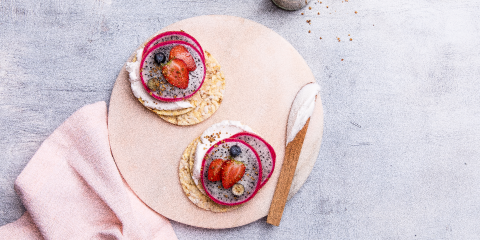
Some days, even opening the fridge feels like too much. Your brain might be tired, your body worn out, and the thought of deciding, preparing, and cleaning up a meal can feel overwhelming. For many neurodivergent adults and teens, this isn’t about willpower — it’s about energy, sensory load, and executive function.
Even on the hardest days, your body still needs nourishment. Eating well doesn’t have to be complicated or take hours — with simple, realistic options, you can still have balanced meals that include a wholegrain, protein, and fruit or vegetable, while keeping cooking stress to a minimum.
Why Balanced Eating Still Matters
When energy is low, your body still needs nourishment that keeps you stable, calm, and focused. Each food group has a role to play:
- Wholegrains help keep your blood sugar steady and support brain function.
- Protein foods (meat, eggs, beans, tofu, dairy, or alternatives) help you feel full and repair your body.
- Fruits and vegetables provide the vitamins and fibre that support your mood, immune system, and gut.
Even on your hardest days, you can nourish yourself with a few simple combinations that bring together one food from each group.
10 Easy, Balanced Meals When You Have No Energy
These meals are quick to prepare, low on washing up, and gentle for your sensory needs. Perfect for ADHD-friendly eating, autism-friendly nutrition, or anyone who finds cooking overwhelming.
1. Corn Thins Snack Plate
Corn Thins slices or wholegrain crackers
Cheese slices or hummus for protein
Add baby tomatoes, cucumber slices, or carrot sticks
2. Microwave Rice Bowl
Microwave brown rice cup
Add cooked chicken, tuna, or canned lentils
Add frozen peas or corn and heat together
3. Toast Plate
Wholegrain toast topped with egg, avocado, or peanut butter
Add sliced fruit such as apple, banana, or canned fruit in juice
4. Breakfast-for-Dinner
Scrambled or microwave eggs
Wholegrain toast or Corn Thins slices
Add spinach or tomato on the side
5. Soup and Corn Thins
Heat a vegetable, pumpkin, or lentil soup
Add Corn Thins slices with cheese or a boiled egg on the side
6. Wrap It Up
Wholegrain wrap. Fill with chicken, beans, or hummus
Add lettuce, grated carrot, or baby spinach
7. Yoghurt Bowl
Greek or soy yoghurt
Add fruit and sprinkle with oats or muesli
8. One-Bowl Microwave Meal
Microwave grain pouch
Add canned beans or lentils
Mix in frozen mixed vegetables
9. Snack Plate Dinner
Corn Thins slices or crackers
Cheese, boiled egg, or baked beans
A few pieces of fruit or salad vegetables
10. Cereal Night
Wholegrain cereal with milk or soy milk
Add fruit such as berries, banana, or canned peaches
These meals take away the pressure to “cook properly.” Using convenience foods, pantry staples, and simple combinations can still meet your nutrition needs — without the overwhelm.
Executive Function and Food: Setting Yourself Up for Success
When energy and decision-making feel hard, it helps to plan for low-energy moments before they happen. Create a “grab-and-eat” shelf or basket with foods that are safe, quick, and need minimal preparation.
Some great staples to include:
- Corn Thins slices, rice cakes, or wholegrain crackers
- Microwave rice cups
- Canned tuna, chicken, lentils, or beans
- Cheese slices or yoghurt
- Frozen or canned vegetables
- Canned or fresh fruit
This way, you always have options ready when your brain says “I can’t.” It’s not giving up — it’s a sign of self-awareness and self-care.
Nutrition Is About Kindness, Not Perfection
For neurodivergent people, the goal isn’t a perfect diet. It’s nutrition that fits your life and brain. You can build variety within your own safe limits, adding new foods at your own pace.
Some days, you might manage a warm balanced meal; other days, it might be Corn Thins slices with cheese and fruit. Both nourish your body. Both count.
Remember: feeding yourself — in any form — is an act of care, not a performance. Every small step toward balanced eating supports your energy, focus, and wellbeing.
Take-Home Message
Eating well doesn’t have to mean cooking from scratch. Include something from each food group: a grain, a protein, and a fruit or vegetable. Keep easy, low-effort foods like Corn Thins slices on hand for quick balanced snacks or meals. Convenience foods are valid and useful. The best kind of nutrition is one that works with your brain and your energy levels.
You don’t have to do it perfectly — just gently, one meal at a time.