Plant-Based Meat Alternatives: Healthy Choices, Labelling & Oils
Plant-based meat alternatives are increasingly popular in Australia. From vegan burgers and sausages to soy or pea mince, these products replicate the taste and texture of meat while offering a more sustainable and ethical alternative.
With more Australians reducing red and processed meat intake, understanding nutrition, plant-based protein, and label claims is important to make informed choices.
What Are Plant-Based Meat Alternatives?
Plant-based meat alternatives (PBMAs) are foods made from concentrated plant proteins such as soy, pea, or wheat protein. They are designed to mimic conventional beef, chicken, pork, and mince while often providing higher fibre, lower saturated fat, and plant-based protein than traditional meat.
However, not all plant-based meat is automatically healthy. Some products are highly processed, high in sodium, or contain refined oils like coconut oil, which is high in saturated fat. Choosing products made with extra virgin olive oil or canola oil is better for heart health.
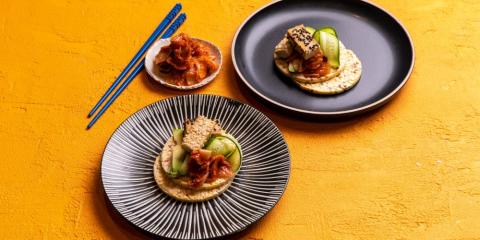
PBMAs can be served in many ways. A practical example is using Corn Thins crispbreads as a base: top with sautéed tofu, tempeh, or other plant-based proteins along with vegetables for a quick, balanced meal or snack.
Plant-Based Meat Labelling Laws: Can You Call It “Meat”?
Globally, the naming of plant-based meat is under scrutiny.
- Europe: Some proposed regulations aimed to restrict terms like burger or sausage for plant-based products. However, EU courts currently allow names with qualifiers (e.g., veggie burger).
- United States: FDA guidance permits plant-based labels if clearly marked as non-meat.
- Australia: No current ban on the word meat, but all plant-based meat products include clear plant-based or meat-free descriptors to avoid consumer confusion.
Consumers should check that products are clearly labelled so they know they are buying a plant-based alternative rather than conventional meat.
Healthy vs Less-Healthy Plant-Based Meat Choices
Better Plant-Based Meat Choices
- Low sodium: Prefer products under 400 mg per 100 g.
- Low saturated fat: Opt for products made with extra virgin olive oil rather than coconut oil. Olive oil contains heart-healthy monounsaturated fats and antioxidants, while coconut oil is high in saturated fat and may raise LDL cholesterol.
- High fibre and protein: Ideally, at least 3 g fibre and 10–15 g protein per 100 g.
- Fortified with micronutrients: Iron, zinc, vitamin B12, and occasionally calcium.
- Minimal processing: Short, recognisable ingredient list.
Serving suggestion: Use Corn Thins crispbreads to enjoy plant-based proteins like tofu or tempeh. Add avocado, tomato, or leafy greens for a nutrient-rich snack or light meal.
Less-Healthy Plant-Based Meat Choices
- High sodium (>600 mg per 100 g)
- High saturated fat from coconut oil or palm oil
- Highly processed products with long ingredient lists, artificial flavours, or stabilisers
- Unfortified products if regularly replacing meat
Whole-food options such as lentil patties, bean burgers, tofu, and tempeh are preferable most of the time as they are minimally processed and naturally nutrient-dense.
Extra Virgin Olive Oil vs Coconut Oil in Plant-Based Meats
The type of fat used in plant-based meats makes a difference. Products made with extra virgin olive oil provide heart-healthy monounsaturated fats, antioxidants, and may support healthy cholesterol levels. In contrast, coconut oil is high in saturated fat and can raise LDL (“bad”) cholesterol.
For meals, you can lightly sauté tofu, tempeh, or plant-based mince in extra virgin olive oil for a healthier preparation.
Practical Tips for Choosing Plant-Based Meats in Australia
- Compare nutrition labels for sodium, saturated fat, protein, and fibre.
- Look for plant-based or meat-free labels on packaging.
- Use PBMAs alongside whole-food plant proteins like beans, lentils, tofu, or tempeh.
- Enjoy PBMAs in moderation: they are best used as part of a plant-rich diet, not as a sole protein source.
- Check fortification for iron, zinc, and B12 if plant-based meats are a regular meat replacement.
Serving ideas: Add plant-based mince or tempeh to salads, soups, or stir-fries, or top Corn Thins crispbreads with tofu, vegetables, and avocado for a balanced snack or meal.
Take Home Message
Plant-based meat alternatives can help Australians reduce red and processed meat intake while increasing plant protein and diet variety.
Choose products that are low in sodium, high in fibre and protein, fortified with key nutrients, and made with extra virgin olive oil rather than coconut oil. Pair plant-based meats with whole-food plant proteins and vegetables for a nutrient-rich, balanced diet. Simple solutions like Corn Thins slices with tofu or tempeh make healthy, convenient meals accessible.
By reading labels and selecting less-processed options, plant-based meat alternatives can be a valuable part of a healthy, plant-rich lifestyle.
References
- Food Frontier. Plant-Based Meat: A Healthier Choice? (2022). foodfrontier.org
- Alternative Proteins Council. Plant-Based Meat Alternatives Sold in Australia: Label Audit 2024. alternativeproteinscouncil.org
- Australian Government. Eat for Health – Australian Dietary Guidelines Summary (2013). eatforhealth.gov.au
- Australian Government. Food Label Example (2021). eatforhealth.gov.au
- RACGP. Meat alternatives might not be so healthy (2023). racgp.org.au
- Harvard T.H. Chan School of Public Health. Healthy Cooking Oils (2024). hsph.harvard.edu