Fibremaxxing: How to Supercharge Your Gut Health with a High-Fibre Diet
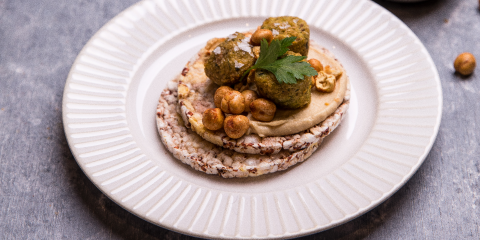
Move over kale smoothies and chia puddings—there’s a new hero in town, and it’s all about fibre! If you’re looking for ways to boost gut health, improve digestion, and even help your skin glow, this blog on fibremaxxing and high-fibre foods is for you.
Increasing your intake of fibre-rich foods can support weight management, enhance gut microbiome diversity, and improve overall health. Here’s everything you need to know about how to increase fibre intake and maximize the benefits for your body.
What is Fibremaxxing?
“Fibremaxxing” is all about optimizing your fibre intake to support gut health, digestion, and metabolic health. Most adults don’t meet the daily fibre recommendations, which sit at around 25 grams/day for women and 30 grams/day for men.
By including fibre-rich foods such as whole grains, legumes, fruits, vegetables, seeds, nuts, and Corn Thins slices, you can improve digestion, feed your healthy gut bacteria, and even support weight management and heart health.
Types of Fibre
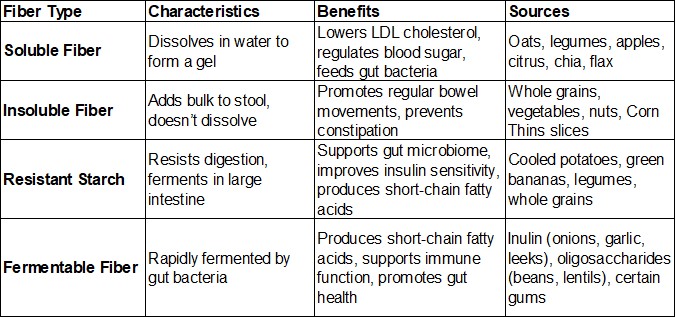
Benefits of a High-Fiber Diet
- Supports Gut Health: Fibre acts as prebiotic fuel for your gut microbiome.
- Promotes Skin Health: Supports the gut-skin connection, reducing inflammation and promoting glowing skin.
- Supports Weight Management: Slows sugar absorption and improves satiety.
- Boosts Heart Health: Soluble fibre binds cholesterol and helps reduce heart disease risk.
Recommended Daily Fibre Intake
Women ~25 grams/day
Men ~30 grams/day
Tip: Half your plate should be vegetables, add legumes, and include a wholegrain carb like Corn Thins slices to meet daily fibre goals.
Fibremaxxing Meal Ideas & Snacks
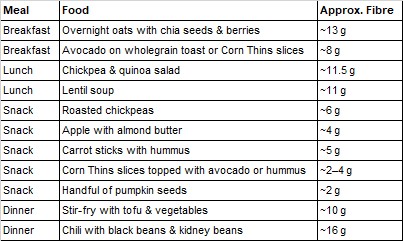
Tip: Spread fibre intake across the day and drink plenty of water to support digestion.
How to Maximise Fibre Intake
- Start Your Day with Fibre: Add oats, chia seeds, or flaxseeds.
- Snack Smart with Corn Thins slices: Top with avocado, hummus, or nut butter.
- Include Legumes Daily: Lentils, chickpeas, black beans, kidney beans.
- Choose Whole Grains: Swap white rice, bread, and pasta for wholegrain versions.
- Incorporate Resistant Starch: Include cooled potatoes or green bananas.
- Mix Fibre Types: Combine soluble, insoluble, and resistant starches for optimal gut health.
What the Research Says
Studies show that high-fibre diets:
- Improve gut microbiota diversity.
- Reduce inflammation, supporting skin health.
- Regulate blood sugar and promote weight management.
Take Home Message
Fibremaxxing is a science-backed approach to boost gut health, support weight management, and improve overall wellness. By including a variety of fibre-rich foods like whole grains, legumes, vegetables, fruits, seeds, resistant starches, and Corn Thins slices, you can achieve better digestion, glowing skin, and improved energy levels.
Start gradually, mix fibre types, and aim for 25–30 g of fibre per day. Your gut (and your glow!) will thank you!
References
- Slavin, J. (2013). Dietary fiber and body weight. Nutrition, 29(4), 411–418.
- Reynolds, A., Mann, J., Cummings, J., Winter, N., Mete, E., & Te Morenga, L. (2019). Carbohydrate quality and human health: A series of systematic reviews and meta-analyses. The Lancet, 393(10170), 434–445.
- Anderson, J. W., et al. (2009). Health benefits of dietary fiber. Nutrition Reviews, 67(4), 188–205.
- Deehan, E. C., & Walter, J. (2016). The fiber gap and the disappearing gut microbiome: Implications for human nutrition. Trends in Endocrinology & Metabolism, 27(5), 239–242.
- Slavin, J. L. (2013). Fiber and prebiotics: Mechanisms and health benefits. Nutrients, 5(4), 1417–1435.