3 Easy Ways to Make Friends with Legumes
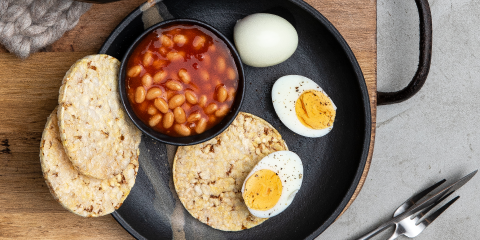
Let’s face it, legumes can cause less than optimal side effects. Before you rid legumes from your life forever here is some easy ways you can still be friends with legumes and include them in your diet.
Legumes are a nutrient rich powerhouse for your body. They contain many health benefits. Legumes such as kidney and lentils contain a source of non-haem (meaning non animal source) iron. Iron helps to transport oxygen around your body and helps promote an optimal immune system.
On top of these impressive health benefits, legumes contain a source of zinc which is important for wound healing and skin health. In addition, legumes contain phytochemicals and vitamins which keep the body functioning optimally.
Including legumes in your diet would be a positive thing if possible. Here are three ways you can start making friends with legumes:
Play the Long Game
Increasing the number of legumes, you have in your diet from none to a buck load is asking for unwanted gut symptoms. Instead, think low amount and a gradual increase. Try starting with one to two tablespoons every two to three days to start with. This allows your gut and your gut microbes to get used to processing legumes and will be able to do so more effectively.
Legume Pasta
A big culprit of the unwanted symptoms you may experience when eating legumes is due to a short chain non-digestible carbohydrate called galacto-oligosaccharides (GOS). Pulse pasta such as chickpea pasta has very low levels of galacto-oligosaccharides (GOS). You can use pulse pasta just like regular pasta and is an easy swap to use in your week.
Canned Legumes are Your Friend
When you drain and wash canned legumes these contain much lower levels of galacto-oligosaccharides (GOS) than dried varieties. This is because due to the processing, around fifty percent of the galacto-oligosaccharides (GOS) is found in the fluid component. For example, one quarter or forty-two grams of canned, drained and rinsed chickpeas is considered a low FODMAP amount for those who have irritable bowel syndrome.
Reality Check on Bloating
Some bloating is a side effect of the gas being produced by the health promoting microbes as part of how they digest prebiotics. This means, it is a normal part of eating a healthy and balanced diet. If bloating becomes excessive or painful this is when it is recommended to seek the support of an Accredited Practising Dietitian to help you work out how to modify your diet to reduce these symptoms.
Some delicious ways to add legumes to your week could be:
Take home message: Making friends with legumes is not off the cards. Try these three tips and you may be able to make friends with legumes and reap the many health benefits.
Reference:
- Getting Enough Fibre. FODMAP blog. Monash University. https://www.monashfodmap.com/blog/getting-enough-fibre/