Eating Well With Chronic Conditions: Simple Nutrition & Cooking Strategies to Support Your Health
Living with chronic conditions such as rheumatoid arthritis, osteoarthritis, chronic pain, diabetes, or autoimmune diseases can feel overwhelming—especially when everyday tasks like cooking, opening jars, or standing for long periods become more challenging. One of the most powerful tools to support your health and reduce daily strain is good nutrition paired with thoughtful, low-effort food preparation strategies.
This blog offers practical ways to nourish your body while easing the physical load in the kitchen. Whether your goals include improving energy, reducing inflammation, maintaining strength, or simply making mealtimes more manageable, these strategies can help create a supportive, health-focused home environment.
1. Create a Kitchen Setup That Reduces Strain
When joints are sore or fatigue is high, simple tasks can feel difficult. A kitchen environment that minimises the need for bending, lifting, and gripping can make preparing meals significantly easier.
Smart Setup Ideas
- Place essentials within easy reach. Keep everyday items like oil, spices, knives, and chopping boards at bench height to avoid unnecessary bending or reaching.
- Choose lightweight equipment. Silicone utensils, lightweight pots and bowls, and ergonomic tools reduce strain on painful joints.
- Use jar-opening aids. Arthritis-friendly grips or electric openers support independence and reduce hand pain.
- Prepare food seated. Using a high stool allows you to chop, mix, or peel with less pressure on knees, hips, or your back.
A supportive setup helps you continue cooking without increasing symptoms.
2. Anti-Inflammatory Eating Made Simple
Nutrition has a meaningful impact on inflammation, pain, energy, and overall health. While needs vary between individuals, some general principles are helpful across many chronic conditions.
Prioritise:
- Vegetables at each meal
Aim for ½ a plate of colourful vegetables to increase antioxidants and fibre. - Whole grains
Brown rice, wholemeal bread and pasta, quinoa, oats, and barley offer slow-release energy and gut support. - Healthy fats
Use extra virgin olive oil as your main cooking and dressing oil due to its anti-inflammatory polyphenols.
Minimise coconut oil—its high saturated fat content makes it a less heart-friendly choice. - Lean proteins
Include eggs, legumes, tofu, tempeh, fish or chicken to maintain strength and repair. - Omega-3s
Walnuts, chia, flaxseed, and oily fish help support joint and heart health.
A dietary pattern centred on whole foods provides long-term benefits for managing chronic conditions.
3. Make Cooking Easier on Low-Energy Days
Chronic conditions often involve fluctuating fatigue and pain. On difficult days, cooking from scratch can feel unrealistic. Preparing in advance for those low-energy moments prevents reliance on high-salt, high-fat processed foods.
Low-Effort, Nutrition-Focused Meal Ideas
Batch-cook basics:
- Prepare large portions of quinoa, rice, or pasta for use across several meals.
- Roast a tray of mixed vegetables to refrigerate for 2–3 days.
Minimal-chop meals:
- Microwave steamed veggies + tinned tuna + olive oil drizzle
- Wholemeal wrap with salad mix + hummus + boiled eggs
- Stir-fried pre-cut vegetables with tofu or tempeh
- Lentil soup with wholegrain toast
Corn Thins® ideas for easy meals:
Corn Thins® slices require no prep, are lightweight, and are gentle on hands—making them ideal for days with limited energy. Try:
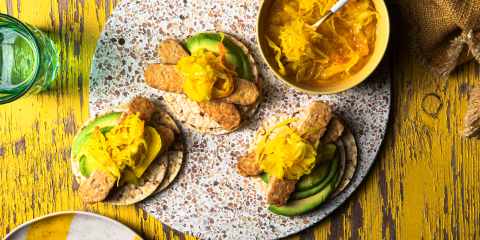
- Corn Thins® slices topped with pan-fried tofu or tempeh and avocado
- Corn Thins® slices with cottage cheese and sliced tomato
- Corn Thins® slices topped with leftover roasted vegetables and extra virgin olive oil
These ideas support nutrition without adding strain or long cooking times.
4. Keep Healthy Snacks Within Reach
Snacking can help stabilise energy levels and support appetite, but only if the right foods are available. Having nourishing snacks ready prevents impulsive choices that may worsen fatigue or inflammation.
Helpful snack options:
- Fruit and nut mixes
- Yogurt with berries
- Roasted chickpeas
- Boiled eggs
- Smoothies with milk, fruit, oats, and chia
- Corn Thins® slices with hummus or cottage cheese
Simple, accessible snacks help you stay fuelled throughout the day.
5. Build a Flexible, Sustainable Routine
Chronic conditions often require adaptability. Your energy and mobility may vary day to day, so aim for a routine that supports consistency—not perfection.
Tips for a sustainable approach:
- Prepare ingredients ahead on high-energy days.
- Use healthy shortcuts—frozen vegetables, microwave grains, pre-chopped salad mixes.
- Create a loose weekly meal rhythm to reduce decision fatigue.
- Focus on doing the best you can each day, even if the meal isn’t ideal.
Small daily habits accumulate into meaningful improvements in wellbeing.
Take-Home Message
Eating well with chronic conditions is possible with practical strategies that reduce strain, conserve energy, and support nutrition. Setting up a kitchen that works for your body, prioritising anti-inflammatory foods, batch-cooking, using low-effort meals, and keeping healthy snacks on hand can all make a meaningful difference. Consistency, flexibility, and planning ahead help maintain energy, protect joints, and make nourishing meals more achievable day to day.